
Post
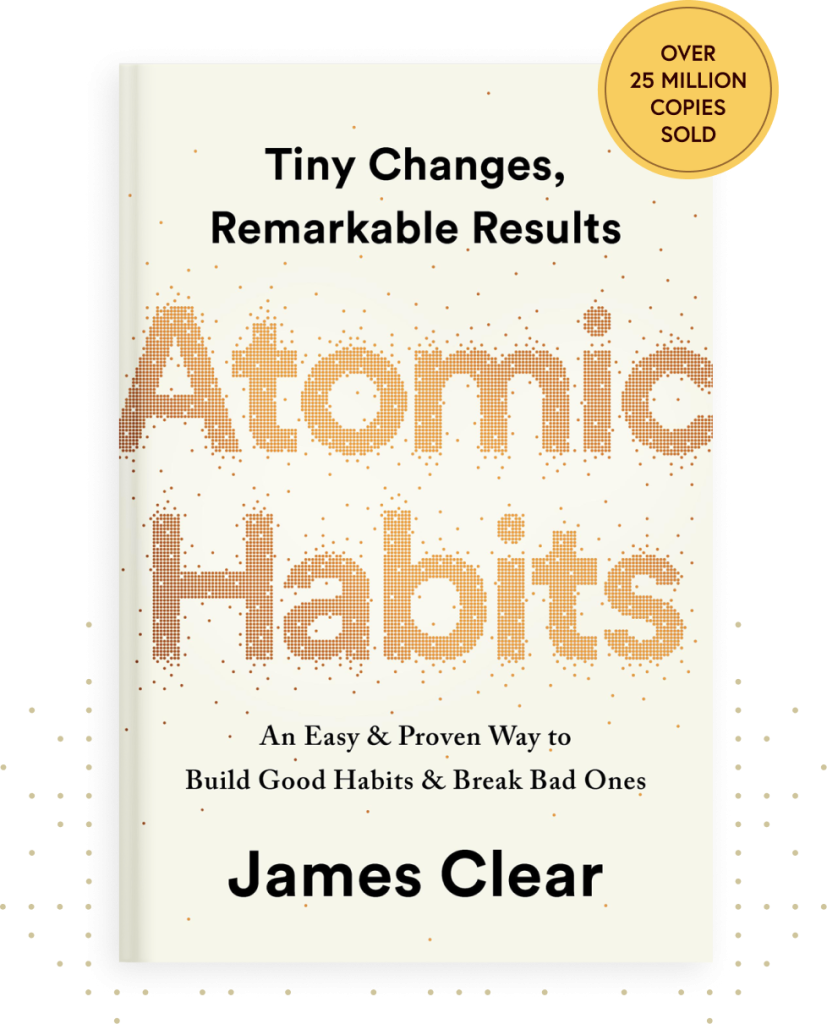
Atomic Habits: Tiny Changes, Remarkable Results – A Complete Guide to Building Better Habits 1
May
Introduction
In a world where people constantly chase dramatic transformations, Atomic Habits by James Clear offers a refreshing and practical approach: focus on small, consistent improvements. Instead of relying on motivation or willpower alone, this bestselling book teaches readers how tiny changes—when repeated daily—can lead to remarkable long-term results.
Whether you want to improve productivity, break bad habits, or achieve personal goals, Atomic Habits provides a proven framework grounded in psychology, behavioral science, and real-life applications.
Why Atomic Habits Matters
Most people fail to achieve their goals not because they lack ambition, but because they rely on unsustainable systems. Big goals can feel overwhelming, and when results don’t come quickly, motivation fades.
James Clear introduces a powerful idea:
“You do not rise to the level of your goals. You fall to the level of your systems.”
This shift in perspective is what makes Atomic Habits so impactful. Instead of obsessing over outcomes, the book teaches you how to build systems that naturally lead to success.
The Core Concept: 1% Improvement Every Day
One of the most memorable ideas in the book is the concept of 1% improvement. Improving just a little bit each day may seem insignificant, but over time, it compounds into extraordinary results.
Small habits are like compound interest. Just as money grows exponentially over time, habits—both good and bad—accumulate and shape your life.
For example:
- Reading 10 pages a day → ~3,600 pages a year
- Exercising 10 minutes daily → improved long-term health
- Saving a small amount regularly → financial growth
The key takeaway is simple: success is not a single event, but a process.
The Four Laws of Behavior Change
At the heart of Atomic Habits is a practical framework known as the Four Laws of Behavior Change. These laws provide a step-by-step system for building good habits and breaking bad ones.
1. Make It Obvious
The first step is awareness. Many habits are automatic, so you need to make them visible.
Strategies:
- Use habit tracking
- Create implementation intentions (“I will [habit] at [time] in [location]”)
- Design your environment to support good habits
Example:
Place a book on your pillow to remind yourself to read before bed.
2. Make It Attractive
We are more likely to repeat behaviors that we find enjoyable.
Strategies:
- Pair habits with activities you like (temptation bundling)
- Join a culture where your desired behavior is the norm
Example:
Listen to your favorite music only while working out.
3. Make It Easy
The easier a habit is, the more likely you are to do it.
Strategies:
- Reduce friction
- Follow the “2-minute rule” (start with a version that takes less than 2 minutes)
- Prepare your environment in advance
Example:
Instead of “study for 2 hours,” start with “open your notebook.”
4. Make It Satisfying
Immediate rewards reinforce behavior.
Strategies:
- Track progress
- Celebrate small wins
- Use reinforcement systems
Example:
Mark an “X” on your calendar each day you complete a habit.
Breaking Bad Habits
While building good habits is important, eliminating bad ones is equally critical. James Clear suggests reversing the Four Laws:
- Make it invisible
- Make it unattractive
- Make it difficult
- Make it unsatisfying
For instance, if you want to reduce phone usage:
- Turn off notifications
- Keep your phone in another room
- Use apps that limit screen time
Identity-Based Habits
One of the most powerful ideas in Atomic Habits is the concept of identity-based habits.
Instead of focusing on what you want to achieve, focus on who you want to become.
Examples:
- “I want to run a marathon” → “I am a runner”
- “I want to read more” → “I am a reader”
Every action you take is a vote for the type of person you want to become. Over time, these small votes shape your identity.
The Role of Environment
Your environment plays a huge role in shaping your behavior—often more than motivation or discipline.
James Clear emphasizes:
“Environment is the invisible hand that shapes human behavior.”
Simple changes can make a big difference:
- Keep healthy food visible
- Remove distractions from your workspace
- Surround yourself with people who support your goals
Habit Stacking: A Simple but Powerful Technique
Habit stacking involves linking a new habit to an existing one.
Formula:
“After [current habit], I will [new habit].”
Examples:
- After brushing my teeth → I will meditate for 1 minute
- After making coffee → I will read 5 pages
This technique works because it builds on established routines.
Real-Life Applications
The beauty of Atomic Habits lies in its flexibility. The principles can be applied to nearly every area of life:
1. Productivity
- Break large tasks into small steps
- Build consistent work routines
2. Health & Fitness
- Start with small workouts
- Focus on consistency over intensity
3. Finance
- Automate savings
- Track spending habits
4. Learning
- Study a little every day
- Use spaced repetition
Common Mistakes People Make
Even with the right knowledge, people often struggle due to common mistakes:
- Trying to change too much at once
- Relying on motivation instead of systems
- Ignoring the environment
- Expecting immediate results
Atomic Habits addresses these pitfalls and provides realistic solutions.
Strengths of Atomic Habits
- ✅ Practical and actionable
- ✅ Easy to understand
- ✅ Backed by science
- ✅ Applicable to all areas of life
Weaknesses of Atomic Habits: Atomic Habits: Tiny Changes, Remarkable Results – A Complete Guide to Building Better Habits
No book is perfect. Some readers may find:
- Slight repetition of ideas
- Concepts that feel simple (but execution is the challenge)
However, these do not significantly reduce the book’s value.
Who Should Read This Book?
This book is perfect for:
- Students
- Professionals
- Entrepreneurs
- Anyone looking to improve their life
If you’ve ever struggled with consistency, this book is especially valuable.
Final Thoughts
Atomic Habits is more than just a self-help book—it’s a blueprint for long-term success. By focusing on small, consistent improvements, you can create lasting change without relying on motivation alone.
The key lesson is simple but powerful:
Small habits, repeated daily, lead to extraordinary results.
Conclusion
If you’re looking for a practical, science-based approach to personal development, Atomic Habits is one of the best books you can read. Its clear framework and actionable advice make it easy to implement—and the results can be life-changing.
