
Post
Grit – The Power of Passion and Perseverance 2026
May
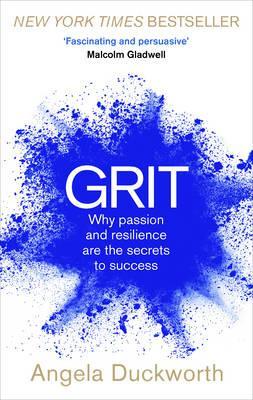
Grit: The Power of Passion and Perseverance by Angela Duckworth is a transformative book published in 2016 that challenges the widespread cultural obsession with talent and natural ability. Drawing on her background as a former McKinsey consultant, middle school math teacher, and psychologist, Duckworth presents a compelling, research-backed argument: what we eventually accomplish depends far more on grit — a powerful combination of passion and perseverance for long-term goals — than on raw intelligence or innate talent.
The book emerged from Duckworth’s groundbreaking work at the University of Pennsylvania and her famous 2013 TED Talk, which has been viewed over 30 million times. Grit resonates deeply because it offers both hope and a practical roadmap. No matter your starting point, Duckworth argues, you can cultivate the qualities that lead to outstanding achievement and personal fulfillment.
Defining Grit: Passion + Perseverance
Duckworth defines grit as “sustained passion and perseverance for long-term goals.” It is not just working hard or being resilient in the moment. It is about maintaining consistent effort and interest over years, even decades, despite failure, plateaus, and setbacks.
She distinguishes grit from related concepts:
- Talent is how quickly you improve with effort.
- Effort counts twice: it builds skill, and it turns skill into achievement.
- Grit is about stamina — sticking with the same top-level goal for a very long time.
A central metaphor is the “grit pyramid.” At the top is your ultimate concern or life philosophy. Below that are mid-level goals that support it, and at the base are low-level, day-to-day actions. In gritty people, these layers are tightly aligned and coherent. A gritty musician doesn’t just practice scales aimlessly; every practice session serves a higher purpose connected to a lifelong pursuit of mastery.
The Grit Scale and Scientific Foundations: Grit – The Power of Passion and Perseverance 2026
Duckworth developed the Grit Scale, a simple 10-item questionnaire that measures passion and perseverance. In multiple studies, grit scores predicted success better than IQ or talent measures in contexts ranging from West Point cadets completing Beast Barracks to salespeople persisting in tough jobs to students graduating from challenging schools.
One of the book’s most striking findings comes from the National Spelling Bee. Gritty competitors outperformed more talented but less persistent spellers because they studied more hours and used more effective deliberate practice strategies. At the United States Military Academy at West Point, grit predicted which cadets would survive the grueling summer training better than physical fitness or academic performance.
Duckworth also explores high-achieving “grit paragons” such as:
- Pete Carroll’s “Win Forever” philosophy with the Seattle Seahawks.
- The demanding but supportive culture at the KIPP (Knowledge Is Power Program) charter schools.
- Exemplary figures like James Beard Award-winning chef Thomas Keller, who spent years mastering basic skills, and the cartoonist Al Jaffee, who worked into his 90s.
Talent vs. Effort: Why Effort Counts Twice
A major theme is the “talent trap.” Society romanticizes effortless genius, but Duckworth shows this belief is harmful. It discourages people who struggle initially and leads talented individuals to give up when things get hard because they’ve never developed the habit of perseverance.
She presents a clear formula: Talent × Effort = Skill Skill × Effort = Achievement
Effort is the multiplier that matters most. Duckworth shares her own journey, including her father’s nickname for her (“No Genius”) and how it fueled her determination to prove that character matters more than IQ.
Interest, Practice, Purpose, and Hope
Duckworth breaks down the psychology of grit into four key psychological assets:
- Interest: Passion begins with intrinsically enjoyable work. Gritty people discover something that fascinates them and allow that interest to deepen over time rather than constantly chasing novelty.
- Deliberate Practice: Inspired by Anders Ericsson’s research, this involves setting specific stretch goals, getting immediate feedback, and focusing on weaknesses. It is effortful and often unenjoyable in the moment, which is why grit is required to sustain it.
- Purpose: The most gritty individuals connect their work to something larger than themselves. They move from “What can this do for me?” to “What can I contribute to the world?” Teachers, athletes, and artists with a strong sense of purpose are far more likely to persist through difficulties.
- Hope: This is not blind optimism but a resilient belief that you can improve the future through your own actions. Duckworth draws on Carol Dweck’s growth mindset research, showing that viewing failure as a temporary learning opportunity builds the stamina needed for long-term goals.
Parenting, Teaching, and Culture: How to Grow Grit
One of the most practical sections addresses how to develop grit in others. Duckworth advocates a “wise parenting” approach — demanding high standards while providing strong support (the “hard thing rule”: everyone in the family must do something difficult that requires deliberate practice).
She examines successful organizations and cultures that foster grit through:
- High expectations combined with belonging and respect.
- Stories and rituals that celebrate perseverance.
- Opportunities for deliberate practice with excellent coaching.
The book also explores whether grit can be developed later in life. While early experiences matter, Duckworth remains optimistic that adults can intentionally build grittier habits through small, consistent changes in behavior and mindset.
Criticisms and Nuances
Grit has been enormously influential but not without critique. Some researchers argue Duckworth overstates grit’s predictive power relative to other factors like socioeconomic status, cognitive ability, or opportunity. Others worry that an excessive focus on individual grit can distract from systemic barriers and inequality — telling disadvantaged people to “just be grittier” may ignore structural obstacles.
There are also concerns about potential downsides of extreme grit: stubborn persistence in the wrong goals, burnout, or neglecting well-being and relationships. Duckworth has addressed these in subsequent work and interviews, acknowledging that grit should be balanced with wisdom about when to pivot.
Some critics found the book’s reliance on correlational studies less convincing than true causal experiments, though Duckworth is transparent about the current state of research.
Why Grit Remains Essential in 2026
In today’s world of short attention spans, instant gratification, algorithmic distractions, and rapid career changes, Duckworth’s message is more urgent than ever. AI and automation are reshaping jobs, making adaptability important — yet the ability to commit deeply and persist through uncertainty remains a powerful differentiator for long-term success and personal satisfaction.
Entrepreneurs, athletes, artists, students, and professionals continue to cite the book as a turning point. Schools and companies have integrated grit-building practices into curricula and leadership programs. In an era when mental health challenges like anxiety and burnout are rising, understanding the difference between healthy perseverance and toxic hustle is valuable.
Duckworth’s follow-up work and the broader character science movement she helped inspire continue to evolve the conversation, integrating grit with other virtues like curiosity, gratitude, and self-control.
Practical Takeaways You Can Apply Today
- Take the Grit Scale (available online) to assess yourself honestly.
- Pick a long-term goal that aligns with your deepest interests and purpose.
- Adopt deliberate practice routines with clear goals and feedback.
- Use the “hard thing rule” for yourself or your family.
- Reframe setbacks with a growth-mindset language: “This is hard. I can improve.”
- Build a support network that encourages perseverance.
- Align daily habits with higher-level goals for coherence and motivation.
Grit is ultimately an optimistic and empowering book. Angela Duckworth shows that extraordinary achievement is not reserved for the gifted few. It is accessible to anyone willing to cultivate passion and sustain effort over time. Talent is important, but it is effortful practice fueled by purpose and hope that creates real excellence.
The book does not promise easy success. It promises that the path to a meaningful, accomplished life is available through qualities you can develop. As Duckworth writes, “Grit is about working on something you care about so much that you’re willing to stay loyal to it.”
In a world that often celebrates talent, quick wins, and reinvention, Grit reminds us of the quiet power of consistency, depth, and long-term commitment. Whether you are a parent, educator, leader, or simply someone who wants to reach your full potential, this book provides both inspiration and a practical framework for getting there.
