
Post
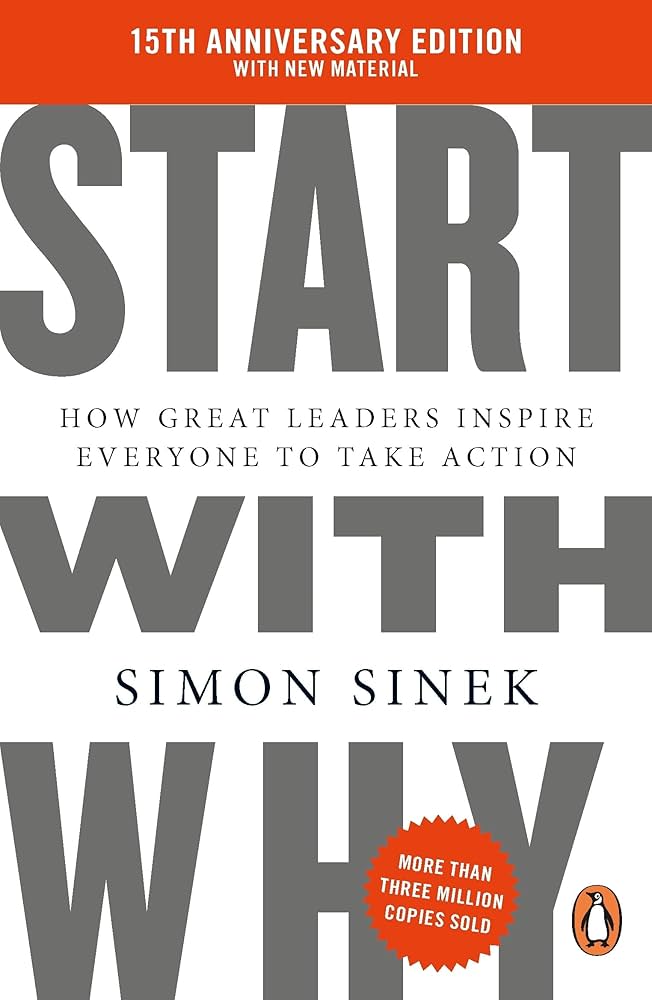
Start With Why – How Great Leaders Inspire Everyone to Take Action
May

Introduction
Why do some leaders and organizations inspire trust, loyalty, and long-term success, while others struggle to maintain relevance despite having great products or services? This is the central question explored in Start With Why by Simon Sinek.
Rather than focusing on what companies do or how they do it, this book emphasizes the importance of understanding why they do it. According to Simon Sinek, people are not inspired by products or features—they are inspired by purpose, belief, and meaning.
Start With Why introduces a powerful framework that explains how great leaders think, act, and communicate differently. From global brands to influential individuals, those who start with “why” are able to build deeper connections and create lasting impact.
The Golden Circle
At the heart of the book is a simple but transformative concept known as the Golden Circle.
It consists of three layers:
- Why – The purpose, cause, or belief
- How – The process or method
- What – The product or result
Most organizations communicate from the outside in:
- What they do
- How they do it
- Rarely why they do it
However, truly inspiring leaders communicate from the inside out:
- Why → How → What
This shift in communication changes everything.
People Don’t Buy What You Do
One of the most famous ideas in the book is:
People don’t buy what you do; they buy why you do it.
This concept explains why customers are more loyal to brands that align with their beliefs.
For example, when a company clearly communicates its purpose, it attracts people who share the same values. This creates a stronger emotional connection, which leads to long-term loyalty.
In contrast, companies that focus only on features and price often struggle to differentiate themselves.
The Biology Behind Why
Sinek supports his ideas with insights from human biology.
The brain can be divided into three main parts:
- The neocortex, responsible for rational thinking
- The limbic brain, responsible for emotions and decision-making
The Golden Circle aligns with this structure:
- What → neocortex (logic)
- Why → limbic brain (emotion)
This explains why decisions are often emotional rather than logical.
People may justify their decisions with facts, but the initial decision is usually driven by feelings.
Leadership vs Authority
The book makes an important distinction between being a leader and having authority.
- Authority comes from position
- Leadership comes from influence
True leaders:
- Inspire people
- Build trust
- Create a sense of purpose
They do not rely on control or pressure. Instead, they motivate others by communicating a clear “why.”
The Power of Trust and Loyalty
Organizations that start with why are able to build trust.
Trust leads to:
- Stronger relationships
- Higher employee engagement
- Greater customer loyalty
When people believe in a company’s purpose, they are more willing to support it—even during difficult times.
This is why some brands maintain loyal followings despite competition or higher prices.
Consistency Builds Credibility
Having a clear purpose is not enough—it must be consistent.
Every action, message, and decision should align with the organization’s “why.”
Inconsistency can lead to:
- Loss of trust
- Confusion
- Weak brand identity
Consistency reinforces credibility and strengthens the connection with customers and employees.
Finding Your Why
One of the challenges many individuals and organizations face is identifying their “why.”
Your why is not about profit or success—it is about purpose.
To discover your why, consider:
- What motivates you?
- What impact do you want to make?
- What beliefs drive your actions?
Your why should be:
- Clear
- Authentic
- Meaningful
Why Matters in Business
Companies that start with why often outperform their competitors.
Benefits include:
- Strong brand identity
- Loyal customers
- Motivated employees
When employees understand the purpose behind their work, they are more engaged and productive.
Why Matters in Personal Life
The concept of “why” is not limited to organizations—it applies to individuals as well.
Knowing your why can help you:
- Make better decisions
- Stay motivated
- Find meaning in your work
It provides direction and clarity in both personal and professional life.
Inspiring vs Manipulating
Many companies rely on manipulation to drive sales:
- Discounts
- Promotions
- Fear-based messaging
While these tactics may work in the short term, they do not build loyalty.
Inspiration, on the other hand:
- Creates emotional connection
- Builds long-term trust
- Encourages genuine support
The Role of Communication
Effective communication starts with why.
Instead of saying:
- “We make high-quality products”
Say:
- “We believe in improving people’s lives through innovation”
This approach resonates more deeply with audiences.
Real-World Applications
Marketing
Focus on purpose rather than features.
Leadership
Inspire teams through vision and belief.
Branding
Build identity around values.
Career
Align your work with your purpose.
Challenges of Starting With Why: Start With Why – How Great Leaders Inspire Everyone to Take Action
While the concept is powerful, it is not always easy to implement.
Common challenges include:
- Difficulty identifying purpose
- Pressure to focus on short-term results
- Misalignment within organizations
Overcoming these challenges requires clarity and commitment.
Strengths of the Book
- Simple and powerful framework
- Highly applicable to business and life
- Inspiring and thought-provoking
- Easy to understand
Weaknesses of the Book
- Some repetition
- Limited step-by-step guidance
- Concepts may feel abstract
Key Takeaways
- Purpose drives success
- People connect with meaning, not products
- Trust and loyalty come from shared beliefs
- Consistency is essential
- Leadership is about inspiration
Final Thoughts
Start With Why is a powerful reminder that success is not just about what you do—it’s about why you do it.
In a competitive world, purpose becomes a key differentiator.
Conclusion
If you want to inspire others, build trust, and create lasting impact, you must start with why. This book provides a clear and compelling framework for doing just that.
