
Post
The Hobbit – An Unexpected Journey
May
The Hobbit – An Unexpected Journey
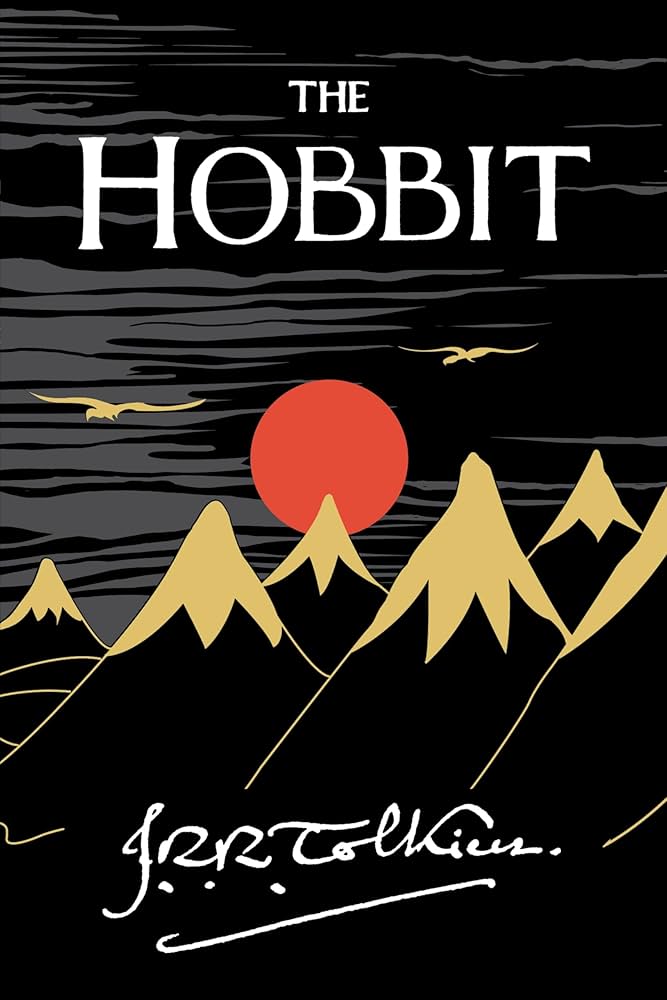
The Hobbit: An Unexpected Journey by J.R.R. Tolkien is a timeless fantasy classic that continues to enchant readers nearly nine decades after its publication in 1937. Subtitled There and Back Again, this beloved novel serves as both a standalone adventure and the delightful prelude to Tolkien’s epic masterpiece, The Lord of the Rings. Written initially as a bedtime story for his children, The Hobbit blends whimsy, danger, humor, and profound wisdom, creating a perfect entry point into Middle-earth for readers of all ages.
While lighter in tone than the grand, sweeping tragedy of The Lord of the Rings, The Hobbit contains the same rich world-building, moral depth, and linguistic brilliance that define Tolkien’s legendarium. It remains one of the most influential works of modern fantasy literature, inspiring countless books, films, games, and readers to dream of dragons, hidden treasures, and heroic quests.
A Comfortable Hobbit and an Unexpected Adventure
The story begins in the peaceful, idyllic hobbit-hole of Bag End, in the quiet Shire. Bilbo Baggins is a respectable, comfort-loving hobbit who enjoys his tea, his garden, and the predictable rhythms of daily life. Hobbits, we learn, are small, cheerful folk who dislike adventures and anything that disturbs their peaceful existence.
This comfortable world is turned upside down when the great wizard Gandalf the Grey appears at Bilbo’s door and invites him to join a quest. Soon, thirteen dwarves — led by the proud and determined Thorin Oakenshield — arrive, filling Bilbo’s home with songs, noise, and plans for adventure. The dwarves seek to reclaim their ancestral kingdom of Erebor (the Lonely Mountain) and its vast treasure from the dragon Smaug, who drove them out years earlier.
Reluctantly — and somewhat against his better judgment — Bilbo is swept away as the group’s official “burglar.” What follows is an unforgettable journey eastward through enchanted forests, over misty mountains, and into the heart of danger. Along the way, the company faces trolls, goblins, giant spiders, shape-shifting bears, elves, and a mysterious creature named Gollum who lives deep in the caves beneath the mountains.
Rich World-Building and Memorable Encounters
One of Tolkien’s greatest strengths in The Hobbit is his ability to make Middle-earth feel ancient, lived-in, and wondrous. Even in this relatively short novel (compared to The Lord of the Rings), readers encounter a deep sense of history. Every mountain, forest, and ruined hall carries stories of past kingdoms, fallen heroes, and forgotten wars.
Standout moments include:
- The tense, clever riddle game with Gollum in the dark caves — one of the most iconic scenes in fantasy literature.
- The haunting beauty and danger of Mirkwood forest.
- The majesty of the Lonely Mountain and the terrifying presence of Smaug.
- The explosive Battle of the Five Armies, which brings the adventure to a dramatic climax.
Tolkien fills the journey with songs, poems, and vivid descriptions that make the world sing. From the dwarves’ rousing song about their lost gold to Bilbo’s humble walking songs, the music adds rhythm and emotional texture to the tale.
Themes: Growth, Courage, and the Cost of Greed
Though written for children, The Hobbit explores mature themes with subtlety and grace:
- Personal Growth and Courage: Bilbo begins as a timid, home-loving hobbit and gradually discovers remarkable reserves of courage, cleverness, and leadership. His transformation from reluctant tag-along to genuine hero is deeply satisfying and inspiring.
- Home and Adventure: The novel beautifully balances the comfort of home with the call of the unknown. Bilbo’s longing for his cozy hobbit-hole never fully disappears, even as he grows to love the road.
- Greed and Its Consequences: The lure of dragon-gold brings out the worst in many characters. Thorin’s growing obsession with treasure raises powerful questions about wealth, power, and what truly matters in life.
- Friendship and Loyalty: The bonds formed between Bilbo, Gandalf, and the dwarves form the emotional heart of the story. Tolkien shows how unlikely friendships can overcome prejudice and hardship.
- The Ordinary Hero: Perhaps the book’s most enduring message is that great deeds can be accomplished by ordinary people. Bilbo has no special powers or grand destiny — only quick wits, a good heart, and growing bravery.
Tone, Style, and Narrative Voice: The Hobbit – An Unexpected Journey
The Hobbit features a warm, conversational narrative voice. Tolkien frequently addresses the reader directly (“Now you can perhaps understand how Bilbo felt…”), creating an intimate, fireside storytelling feel. The tone shifts skillfully from lighthearted and humorous in the early chapters to darker and more serious as the journey progresses, foreshadowing the epic scope of The Lord of the Rings.
Tolkien’s mastery of language shines through in invented names, songs, and the rhythmic beauty of his prose. His attention to small details — the smell of pipe-weed, the taste of seed-cakes, the comfort of a well-stocked pantry — makes the fantastical world feel remarkably real and lived-in.
Cultural Impact and Legacy
Upon publication, The Hobbit was an immediate critical and commercial success. It established Tolkien as a major voice in fantasy and paved the way for The Lord of the Rings, which many consider the greatest work of fantasy ever written. The book has never been out of print and has been translated into dozens of languages.
Peter Jackson’s three-film adaptation (2012–2014) brought the story to new audiences, though it took significant creative liberties by expanding the tale into a larger epic. While opinions on the films vary, they rekindled global interest in Tolkien’s world.
The Hobbit also heavily influenced the entire fantasy genre. Elements like dwarves with rich cultural backgrounds, wise wizards, epic quests, and morally complex characters have become staples of modern fantasy, from Dungeons & Dragons to The Wheel of Time and Game of Thrones.
Why The Hobbit Still Matters in 2026
In our fast-paced, technology-driven world, The Hobbit offers a much-needed reminder of the value of slow journeys, deep friendships, and stepping outside our comfort zones. Bilbo’s story encourages readers to embrace adventure — whether that means traveling the world, pursuing a passion, or simply standing up for what is right in daily life.
The book’s exploration of greed and its consequences feels especially relevant in an age of materialism and social media comparison. Its celebration of ordinary heroes provides hope that even in difficult times, small acts of courage and kindness can change the course of events.
For younger readers, it remains an accessible gateway to complex moral questions and imaginative wonder. For adult readers, it offers nostalgia, comfort, and fresh insights with each rereading.
Final Reflections
The Hobbit is more than just a children’s adventure. It is a story about transformation — how an ordinary person can rise to extraordinary circumstances through wit, heart, and the support of friends. Bilbo’s journey “there and back again” reminds us that the greatest treasures are often not gold or jewels, but the experiences we gain and the people we meet along the way.
J.R.R. Tolkien created something truly magical: a world so complete and alive that millions of readers have returned to it again and again across generations. Whether you are discovering Middle-earth for the first time or revisiting it as an old friend, The Hobbit delivers pure storytelling joy wrapped in wisdom and wonder.
As Gandalf tells Bilbo early in the story: “Adventures are not all pony-rides in May-sunshine.” They are dangerous, uncomfortable, and life-changing. But sometimes, they are exactly what we need to discover who we truly are.
In a world that often feels too serious or too chaotic, The Hobbit invites us to lock our door, grab our walking stick, and step into an adventure — however unexpected it may be. The road goes ever on and on, and the journey is always worth taking.
