Post
The Power of Habit – Why We Do What We Do in Life and Business 2026
May
The Power of Habit – Why We Do What We Do in Life and Business
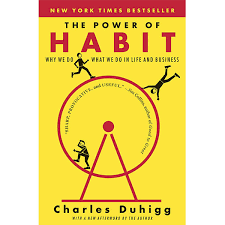
The Power of Habit: Why We Do What We Do in Life and Business by Charles Duhigg is a fascinating and highly practical book published in 2012 that explains the science behind habits and how they shape our lives, organizations, and societies. Drawing on neuroscience, psychology, and real-world stories from business, sports, and social movements, Duhigg shows that habits are not just quirks of behavior — they are powerful, automatic routines that can be understood, changed, and harnessed for remarkable results. The book became a massive bestseller because it moves beyond vague motivation to offer a clear, actionable framework for transformation.
At its core, The Power of Habit argues that once you understand how habits work, you can consciously redesign them to improve health, productivity, performance, and even entire companies or communities. It is equal parts science, storytelling, and self-improvement guide.
The Habit Loop: The Neurological Blueprint
Duhigg introduces the foundational concept of the Habit Loop, which consists of three parts:
- Cue — A trigger that tells your brain to go into automatic mode.
- Routine — The behavior or action that follows (physical, mental, or emotional).
- Reward — The satisfaction your brain receives, which helps it remember the loop for the future.
This loop, deeply wired into the brain’s basal ganglia, allows us to perform complex behaviors efficiently without conscious thought. It explains why habits are so persistent — they become automatic to conserve mental energy.
Duhigg illustrates this with the story of Lisa Allen, a woman who transformed her life by changing one keystone habit. He also explores laboratory experiments with rats running mazes and the tragic case of Eugene Pauly, a man with severe memory loss who could still perform daily habits flawlessly because they were stored in different parts of the brain.
Keystone Habits: Small Changes That Trigger Widespread Transformation
One of the book’s most valuable insights is the idea of keystone habits — certain habits that trigger a chain reaction, shifting other behaviors as well.
A powerful example comes from Alcoa, an aluminum manufacturing company. When new CEO Paul O’Neill focused obsessively on worker safety (a single keystone habit), it transformed the entire organization. Safety required better communication, higher quality processes, and employee empowerment. Within years, Alcoa became one of the most profitable and efficient companies in its industry.
Other keystone habits include regular exercise (which often leads to better eating and sleeping), making your bed every morning, or tracking what you eat. These small wins create momentum and a sense of control that spills into multiple areas of life.
The Golden Rule of Habit Change: The Power of Habit – Why We Do What We Do in Life and Business
Duhigg presents a practical method for changing habits: Keep the old cue and deliver the old reward, but insert a new routine.
For example, if you smoke or eat junk food when stressed (cue: stress, reward: temporary relief), you can replace the routine with a walk, deep breathing, or calling a friend while keeping the same cue and reward structure.
This principle is demonstrated through the story of Tony Dungy, the NFL coach who transformed struggling teams by teaching players to recognize cues and execute new routines automatically. Michael Phelps, the record-breaking Olympic swimmer, used meticulously designed habits and visualization to dominate his sport.
Duhigg also emphasizes the critical role of belief. Habits change most successfully when people believe change is possible — often through the support of groups or communities. This is why Alcoholics Anonymous and similar programs work: they replace old habits with new ones and foster belief through shared stories and accountability.
Habits in Organizations and Companies
The second part of the book shifts to organizational habits. Companies develop routines — some conscious, many unconscious — that dictate how they operate.
Starbucks’ training program is a standout example. The company teaches baristas the “LATTE” method for handling angry customers (Listen, Acknowledge, Take action, Thank, Explain). By turning emotional control into an automatic habit, Starbucks equips employees to deliver consistent service even under pressure.
Duhigg also explores how bad organizational habits can lead to disaster, such as the London Underground fire or marketing failures at companies like P&G. Understanding routines allows leaders to reshape company culture intentionally.
The Power of Habits in Societies
In the final section, Duhigg examines how habits drive large-scale social change. The Montgomery Bus Boycott succeeded not just because of Rosa Parks’ courage, but because of existing social habits and weak ties within the Black community that allowed rapid mobilization. Once momentum built, new habits of protest and solidarity replaced old patterns of acceptance.
He also discusses the rise of the fast-food industry and how companies like Pepsodent created new consumer habits around dental hygiene through clever marketing that linked cues and rewards.
Willpower, Cravings, and the Limits of Habit
Duhigg treats willpower like a muscle that can be strengthened through practice. However, it is finite and gets depleted during the day (a concept known as ego depletion). Successful people build systems and habits that reduce reliance on raw willpower.
He explores the science of cravings — the anticipation of reward that powers habit loops. Marketers and product designers exploit this (the near-miss feeling in slot machines or the “just one more episode” pull of Netflix). Understanding cravings helps individuals redirect them toward positive behaviors.
Criticisms and Limitations:
While widely praised, The Power of Habit has faced some criticism. Some researchers argue Duhigg oversimplifies complex behavioral science and that not all habits follow the simple cue-routine-reward model, especially deeply emotional or addictive ones. The book is stronger on description and storytelling than on providing a complete, step-by-step clinical program for change. Critics also note that it occasionally stretches anecdotes to fit the framework.
Some readers find the organizational and societal sections less immediately actionable than the personal ones. Nevertheless, the core concepts have held up well and influenced countless habit-tracking apps, corporate training programs, and personal development strategies.
Why The Power of Habit Remains Essential in 2026
In today’s world of constant digital notifications, algorithm-driven dopamine loops, remote work, and AI assistants, understanding habits is more important than ever. Social media platforms are explicitly designed using Duhigg’s habit loop principles to maximize engagement. Meanwhile, many people struggle with attention, productivity, and well-being precisely because of poorly designed modern habits.
Entrepreneurs, managers, educators, athletes, and parents continue to draw on the book to build high-performance cultures and personal discipline. In the age of remote and hybrid work, designing intentional routines has become a competitive advantage. Even as AI automates many tasks, the human ability to build and maintain good habits remains a distinctly powerful skill.
The book’s message is empowering: you are not stuck with your current behaviors. With awareness and the right strategies, you can rewrite the automatic scripts that run your life.
Key Takeaways You Can Apply Immediately
- Identify your habit loops: Track cues, routines, and rewards for behaviors you want to change.
- Focus on keystone habits for maximum leverage.
- Use the Golden Rule: Keep the cue and reward, change the routine.
- Build belief through community, accountability, or small wins.
- Design environments that support good habits and reduce friction for bad ones.
- Strengthen willpower by exercising it consistently and getting enough sleep, food, and rest.
- Use implementation intentions (“When X happens, I will do Y”).
The Power of Habit is ultimately optimistic. Charles Duhigg shows that while habits shape us, we can also shape our habits. By understanding the invisible architecture of our daily lives, we gain the power to become more productive, healthier, successful, and fulfilled — both as individuals and as organizations.
Whether you want to exercise more, eat better, become a more effective leader, or spark positive change in your community, this book provides the scientific foundation and inspiring stories to make it happen. Small changes in habit can create profound differences in the quality of your life and the impact you have on the world.
In a fast-changing 21st century, the ability to master your habits may be one of the most important skills you can develop.
