
Post
The Alchemist – A Journey of Dreams and Destiny
May
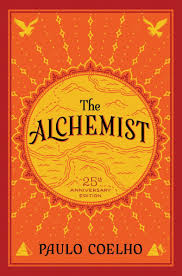
The Alchemist: A Journey of Dreams and Destiny by Paulo Coelho is a timeless philosophical novel that has touched millions of lives since its publication in 1988. Originally written in Portuguese, the book became a global phenomenon after its English translation in 1993, selling over 65 million copies and being translated into more than 80 languages. Often described as a modern fable or an inspirational parable, The Alchemist follows the adventures of a young Andalusian shepherd named Santiago as he pursues his Personal Legend — a dream of finding treasure at the Egyptian pyramids.
Far more than a simple adventure story, Coelho’s novel is a profound guide to listening to one’s heart, recognizing the language of the universe, and having the courage to pursue one’s destiny despite fear, obstacles, and societal expectations. Its simple, almost biblical prose style makes deep wisdom accessible to readers of all ages and backgrounds.
The Story: A Shepherd’s Quest
Santiago is a contented shepherd in the hills of Andalusia, Spain. He enjoys his simple life, his sheep, and occasional flirtations, but he is haunted by a recurring dream of treasure buried near the pyramids of Egypt. After meeting a mysterious old king named Melchizedek, who teaches him about Personal Legends and the “Soul of the World,” Santiago sells his sheep and sets off on a journey across the Strait of Gibraltar into North Africa.
What follows is a classic hero’s journey filled with mentors, tests, allies, and transformation. Santiago crosses deserts, works in a crystal shop, falls in love with a woman named Fatima in an oasis, survives tribal wars, and studies with an alchemist who teaches him the secrets of turning lead into gold — not just literally, but as a metaphor for self-realization. Along the way, he learns to read omens, speak the Language of the World, and trust the universe’s guidance.
The novel’s beauty lies in its economy. Coelho tells a grand story of destiny in under 200 pages, using sparse but poetic language that feels like an ancient tale being passed down through generations.
Core Themes: Personal Legend and the Language of the Universe
The central concept of the book is the Personal Legend — the path one was destined to follow. According to Melchizedek, everyone has a Personal Legend, but most abandon it out of fear, complacency, or the influence of others. Santiago’s journey illustrates that fulfilling one’s Personal Legend is the only way to achieve true happiness and contribute to the Soul of the World.
Another major theme is omens and signs. The universe, Coelho suggests, conspires to help those who are pursuing their dreams. Nature, people, and events speak a universal language if one learns to listen. This idea echoes concepts from mysticism, spirituality, and even quantum ideas of interconnectedness.
Alchemy serves as the book’s most powerful metaphor. Just as alchemists sought to purify and transform base metals into gold, humans must undergo inner transformation — facing fears, letting go of limiting beliefs, and embracing love and courage — to realize their highest potential. The true alchemy, the book reveals, is not turning metal into gold but turning ordinary life into a meaningful quest.
Love and Freedom are beautifully intertwined. When Santiago meets Fatima, he learns that true love does not possess or hinder; it supports one’s destiny. Fatima’s willingness to wait for him represents mature, empowering love rather than selfish attachment.
The Principle of Favorability (or “beginner’s luck”) and the idea that “when you want something, all the universe conspires in helping you to achieve it” have become some of the most quoted lines from the book. Coelho balances this optimism with realism: the journey is filled with setbacks, doubts, and dangers. The treasure is never handed over easily.
Philosophical and Spiritual Influences: The Alchemist – A Journey of Dreams and Destiny
The Alchemist draws from various traditions: Sufism, Christianity, alchemy, and universal spirituality. Coelho himself undertook a pilgrimage along the Road to Santiago de Compostela, an experience that deeply influenced the novel. The book presents a harmonious, non-dogmatic spirituality where God (or the universe) is immanent in everything and communicates constantly.
It promotes living in the present while honoring destiny, embracing change, and understanding that material success is secondary to spiritual growth. Many readers describe the book as life-changing because it reframes setbacks as necessary parts of the journey rather than punishments.
Memorable Characters and Symbolism
- Santiago: Represents the everyman dreamer — curious, brave, yet prone to doubt.
- Melchizedek (the King of Salem): The wise mentor who sets the hero on his path.
- The Crystal Merchant: Symbolizes the tragedy of abandoned dreams and fear of change.
- Fatima: Embodies love that liberates rather than restricts.
- The Alchemist: The ultimate guide who teaches that the journey itself is the transformation.
The desert, the sheep, the pyramids, and the Philosopher’s Stone all carry rich symbolic weight, making the story feel both intimate and mythic.
Criticisms and Literary Reception
While beloved by readers, The Alchemist has faced literary criticism. Some reviewers call it overly simplistic, sentimental, or filled with New Age clichés. Critics argue that its philosophy can seem naïve in the face of real-world systemic obstacles, poverty, or injustice. The prose style, while accessible, is sometimes criticized as repetitive or lacking literary sophistication.
Others point out that the book’s emphasis on destiny and the universe conspiring can discourage personal responsibility or structural thinking. Despite these critiques, its emotional and inspirational impact far outweighs academic objections for most readers. It belongs to a tradition of wisdom literature like The Prophet by Kahlil Gibran or The Little Prince by Antoine de Saint-Exupéry.
Why The Alchemist Matters Today (2026)
In our fast-paced, achievement-oriented, and often cynical world, The Alchemist offers a refreshing counter-narrative. Social media constantly bombards us with images of success, creating anxiety and comparison. The novel gently reminds us to listen to our own hearts rather than external noise. Its message feels especially relevant amid economic uncertainty, climate anxiety, technological disruption, and widespread burnout.
Young people facing career decisions, mid-life individuals questioning their paths, and anyone who has postponed their dreams find solace and courage in Santiago’s story. In an age of instant gratification, the book celebrates long journeys, patience, and inner alchemy. Its core teaching — that the treasure we seek is often within us, and the journey is what transforms us — resonates powerfully with modern mindfulness and self-discovery movements.
Practical Wisdom You Can Apply
- Identify your Personal Legend: What dream keeps calling you?
- Learn to read omens: Pay attention to coincidences, recurring thoughts, and feelings of excitement or fear.
- Overcome the “four obstacles” Coelho later described: being told from childhood that everything is impossible, love, fear of defeat, and the fear of realizing the dream.
- Practice living in the present while moving toward your goal.
- Remember that true success is not just reaching the destination but becoming the person capable of reaching it.
Final Thoughts
The Alchemist is ultimately a love letter to the human spirit’s capacity for wonder, courage, and transformation. Paulo Coelho has created a modern myth that speaks across cultures and generations. It does not promise easy success or magical solutions. Instead, it offers something more valuable: the conviction that a life aligned with one’s deepest calling is worth every hardship.
Reading The Alchemist often feels like a personal pilgrimage. Many readers return to it at different stages of life and discover new layers of meaning. Its simple wisdom cuts through complexity and reminds us that the universe is alive, responsive, and on the side of those brave enough to pursue their dreams.
In the end, Santiago discovers that the real treasure was never just gold — it was the wisdom, love, and self-knowledge gained along the way. As the alchemist tells him, “Everyone on earth has a treasure that awaits him.”
The Alchemist invites you to begin — or continue — your own journey. Whether your Personal Legend involves art, business, travel, relationships, or spiritual growth, this little book serves as both map and companion. It teaches that listening to your heart, reading the signs, and persisting with faith can turn an ordinary life into a legendary one.
In a world that often discourages dreamers, Paulo Coelho’s masterpiece stands as a powerful reminder: your destiny is waiting. The only question is whether you have the courage to follow it.
